
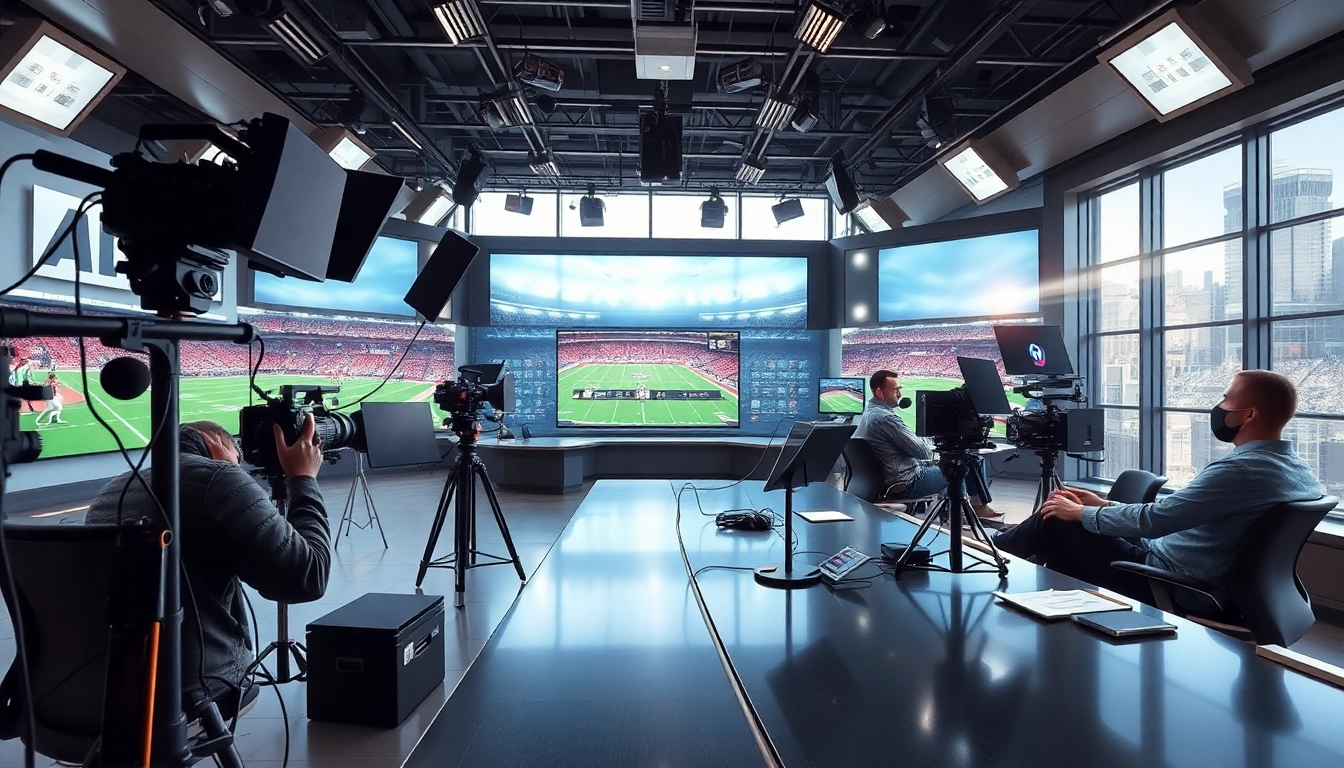
Understanding the Basics of Sports Broadcasting
What is Sports Broadcasting?
Sports Broadcasting refers to the distribution of sports events and related content through various media channels, including television, radio, and the internet. This intricate process provides fans with access to their favorite games, commentary, and analysis. It encompasses live broadcasts, highlight reels, and discussion panels that help engage audiences anytime, anywhere. With increasing demand for instant access, the Sports Broadcasting landscape has evolved to include streaming services and social media platforms, broadening its reach.
Evolution of Sports Broadcasting
The history of Sports Broadcasting can be traced back to the early days of radio, such as the first live broadcast of a baseball game in the 1920s. As technology advanced, television became the dominant medium, transforming how fans consumed sports. The introduction of cable networks in the 1980s further expanded options for viewers. Today, digital platforms and social media have revolutionized not only how events are broadcast but also how audiences interact with content. From radio programs to on-demand streaming, the evolution illustrates a constant effort to enhance viewer experience.
Key Technologies in Sports Broadcasting
Technological innovation is at the heart of Sports Broadcasting, enabling higher quality and interactive viewing experiences. Key technologies include:
- High-Definition (HD) and Ultra-High Definition (UHD) Broadcasting: Enhanced picture quality and sound create a more immersive experience for viewers.
- Live Streaming: Real-time content distribution through the internet allows global audience access, breaking geographical barriers.
- Interactive Graphics and Data Visualization: Technologies that provide real-time statistics enhance viewer engagement and understanding of games.
- Virtual Reality (VR) and Augmented Reality (AR): These immersive technologies offer fans unique viewing perspectives and interactive experiences.
Strategies for Effective Sports Broadcasting
Building a Strong Brand in Sports Broadcasting
Establishing a strong brand identity is essential for success in Sports Broadcasting. This involves not only clear messaging and a consistent aesthetic but also delivering quality content that resonates with viewers. Brands must focus on their unique value proposition, whether it’s providing exclusive rights to sports events or developing engaging discussion formats. Effective branding builds loyalty among audiences, ensuring they return for future broadcasts.
Audience Engagement Techniques
Engaging the audience during a sports broadcast is crucial. Techniques include:
- Real-Time Interaction: Utilizing social media to engage viewers through polls, comments, and feedback enhances participation.
- Storytelling: Narratives around athletes, teams, and events create emotional connections, keeping viewers invested.
- Incorporating Fan Contributions: Encouraging fans to share their experiences and insights during broadcasts fosters a community atmosphere.
Leveraging Social Media for Sports Broadcasting
Social media platforms are powerful tools for enhancing Sports Broadcasting. By sharing highlights, player interviews, and behind-the-scenes content, broadcasters can reach wider audiences and maintain viewer interest between games. Additionally, live updates on platforms like Twitter allow fans to stay tuned in real-time, creating an interactive environment that complements traditional broadcasts.
Measuring Success in Sports Broadcasting
Key Performance Indicators (KPIs)
Success in Sports Broadcasting can be quantified through various Key Performance Indicators (KPIs) such as:
- Viewership Ratings: The number of viewers during a broadcast is a primary indicator of popularity and reach.
- Engagement Metrics: Likes, shares, and comments on social media posts reflect audience interaction.
- Subscriber Growth: The increase in subscriptions to streaming services indicates the effectiveness of branding and content delivery.
Tools for Analyzing Broadcasting Performance
Several tools can help analyze Sports Broadcasting performance, such as:
- Google Analytics: Tracking web traffic and user behavior provides insights into audience preferences.
- Social Media Analytics: Platforms like Facebook and Twitter offer performance metrics for posts, helping measure engagement.
- Broadcast Measurement Services: Nielsen and others provide comprehensive ratings and viewership data, aiding strategic decision-making.
Adjusting Strategies Based on Feedback
Feedback from audiences is invaluable for refining Sports Broadcasting strategies. Regularly seeking viewer opinions through surveys and social media can inform content adjustments. Monitoring performance data enables broadcasters to identify strengths and weaknesses, allowing for prompt changes to enhance viewer satisfaction and retention.
Challenges in Sports Broadcasting
Legal and Ethical Considerations
Legal issues such as copyright infringement and ethical dilemmas around content representation are significant challenges in Sports Broadcasting. Broadcasters must navigate broadcasting rights, ensuring they hold licenses for the content they air. Ethically, it's crucial to present information objectively, avoiding sensationalism that could misinform viewers.
Technological Hurdles in Live Broadcasting
Live broadcasting comes with its set of technological hurdles, such as potential outages or latency issues. Ensuring redundancy in systems, investing in reliable technologies, and conducting rigorous testing are essential steps to overcome these challenges. Ultimately, broadcasters must always have contingency plans in place to maintain broadcast quality and viewer trust.
Managing Audience Expectations
With ever-evolving technologies and viewer demands, managing audience expectations can be challenging. Clear communication about broadcast plans, any anticipated changes or disruptions, and the capabilities of new technologies help set realistic viewer expectations. In doing so, broadcasters foster loyalty and understanding within their audience.
Future Trends in Sports Broadcasting
Impact of Streaming Services
The rise of streaming services has dramatically reshaped the Sports Broadcasting landscape. Viewers increasingly favor on-demand content and ad-free experiences, promoting a shift away from traditional cable. Broadcasters must adapt to this trend by developing innovative streaming solutions to stay competitive. They can explore collaboration with existing platforms or create proprietary streaming services to retain audiences.
Enhancements in Virtual Reality
Virtual Reality is poised to redefine viewer experiences in Sports Broadcasting. As VR technologies become more accessible, the potential for immersive viewing experiences grows. Engaging fans to "attend" games virtually from their homes can turn casual viewers into committed audiences. Broadcasters need to invest in VR technology to remain at the forefront of audience engagement.
Shifts in Viewer Consumption Patterns
As consumer habits evolve, understanding shifts in viewer consumption patterns is critical for broadcasters. Younger audiences are gravitating towards bite-sized, interactive content over traditional long-form broadcasts. Incorporating short highlights, instant replays, and interactive features can help broadcasters align with these changing preferences, ensuring they meet audience needs and retain interest over time.
FAQs about Sports Broadcasting
1. What is the primary medium for Sports Broadcasting?
The primary mediums include television, radio, and online streaming platforms, with growing emphasis on digital channels.
2. How do streaming services affect traditional broadcasting?
Streaming services offer on-demand content, which has led to viewer shifts away from traditional cable, impacting ratings.
3. What role does audience engagement play in Sports Broadcasting?
Audience engagement fosters loyalty, increases viewership, and creates a community around broadcasts, enhancing fan experiences.
4. Which technologies are essential for modern Sports Broadcasting?
Key technologies include HD/UHD broadcasting, live streaming, VR/AR experiences, and data visualizations to enhance viewership.
5. How can broadcasters measure success?
Success can be measured through KPIs such as viewership ratings, engagement metrics, and subscriber growth in streaming services.