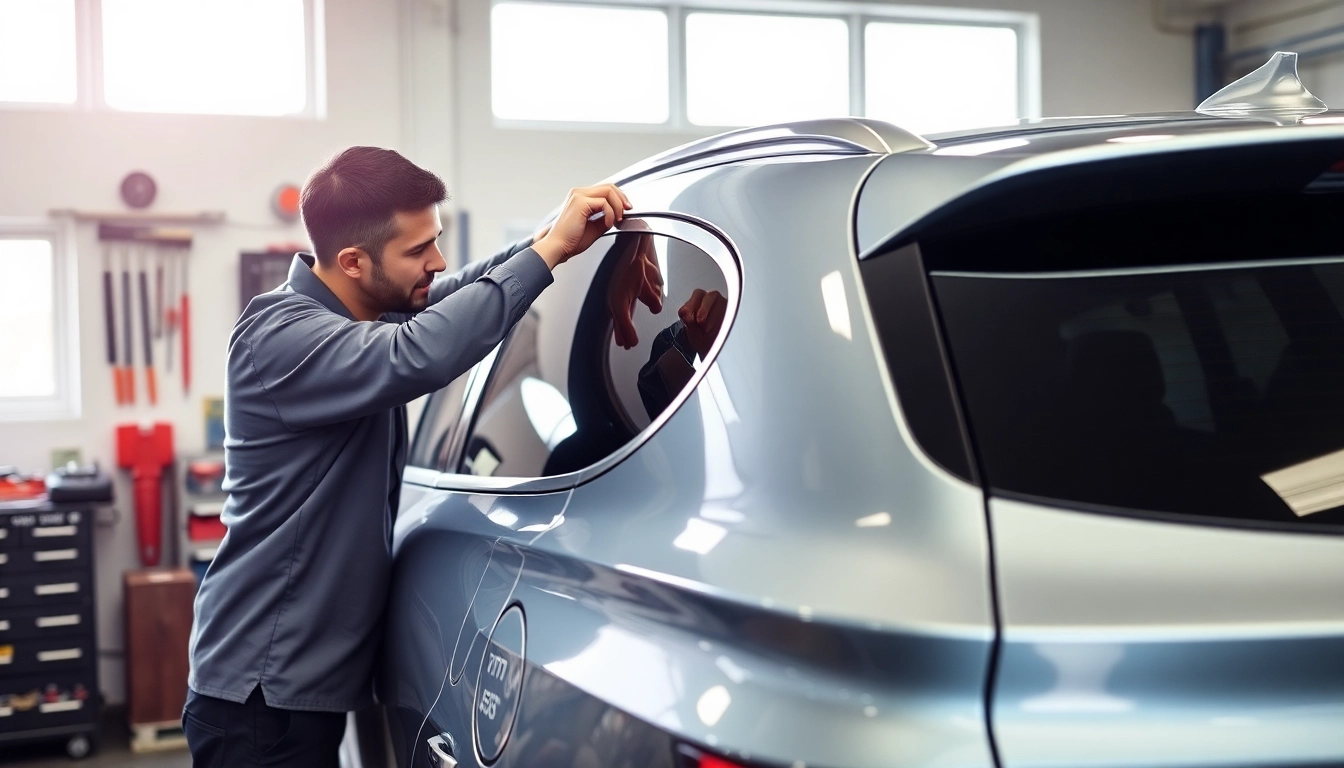
Understanding Auto Window Tint Basics
What is Auto Window Tint?
Auto window tinting refers to the process of applying a specially designed film to the windows of vehicles. This film can reduce glare, filter ultraviolet (UV) rays, and provide additional privacy. By adhering to the glass, window tint transforms how your car looks while enhancing comfort and protecting interior components from harmful sun exposure. Many car owners explore the option of auto window tint near me to improve their driving experience and vehicle aesthetics.
Types of Window Tinting Films
There are several types of window tinting films, each with unique properties:
- Dyed Window Film: This film uses a layer of dye to block sunlight. While it's affordable and offers a sleek appearance, it may not provide as much heat reduction as other types.
- Metalized Window Film: This type includes tiny metallic particles that reflect heat and sunlight. Metalized films also provide scratch resistance but can interfere with electronic signals.
- Ceramic Window Film: This is a premium option that features ceramic particles. These films provide excellent heat rejection, UV protection, and don't interfere with signals or visibility.
- Hybrid Window Film: Hybrid films combine the benefits of dyed and metalized films, offering a balance of aesthetics and functionality.
Benefits of Tinting Your Vehicle
Tinting your vehicle has numerous advantages:
- UV Protection: Effective window tint can block up to 99% of harmful UV rays, protecting passengers and preventing skin damage.
- Heat Reduction: A quality tint film reduces the heat inside the vehicle significantly, making it more comfortable during hot weather.
- Increased Privacy: Tinted windows provide enhanced privacy, making it difficult for prying eyes to see inside your vehicle.
- Glare Reduction: Tints diminish glare from the sun and headlights, improving visibility and comfort while driving.
- Enhanced Aesthetic Appeal: Tinted windows can elevate your car’s appearance, giving it a polished and professional look.
Choosing the Right Auto Window Tint Near Me
Factors to Consider When Selecting Tint
Choosing the right window tint involves considering various factors:
- Legal Restrictions: Different regions have laws regulating the darkness and reflectivity of tint. Always check local regulations before selecting.
- Purpose: Identify why you want tinting. Whether for privacy, UV protection, or aesthetics, different films serve different purposes.
- Quality of Film: Research the quality of the film brands available. Higher quality films might have a higher initial cost but offer better longevity and performance.
Local Regulations and Tinting Laws
Each state has its specific regulations regarding window tinting. These laws dictate how dark your windows can be and which windows can be tinted. Typically, the front windshield must allow more light than side and back windows. Failing to adhere to these regulations can result in fines or the need to remove the tint.
Customer Reviews and Recommendations
When searching for the best auto window tint near me, it's crucial to consult customer reviews and recommendations. Look for feedback on the quality of the tint, customer service, and the installation process. Websites, local forums, and social media platforms can provide valuable insight into reputable local tinting services.
The Window Tinting Process Explained
Preparation Steps for Tinting
Before proceeding with window tinting, certain preparation steps should be executed:
- Clean the Windows: Ensure that the windows are thoroughly cleaned before the tint is applied. This step prevents debris from being trapped under the film.
- Choose the Right Film: After researching and considering your options, pick a film that aligns with your comfort levels, aesthetic preferences, and local laws.
- Vehicle Preparation: Remove any previous tints or obstructions to ensure a smooth surface for application.
Application Techniques Used by Professionals
Professional installers use various techniques to ensure that the tint is applied correctly:
- Heat Application: Some films require heat to mold around curves and edges of windows, providing a cleaner and more accurate fit.
- Wet Method: This common application technique involves using a soapy water solution to allow for repositioning film before it adheres.
- Dry Method: Some installers prefer this method for its speed, where the film is applied directly to the glass without moisture.
Post-Installation Care and Maintenance
After the tinting process, certain care measures should be followed to maintain the integrity of the film:
- Wait to Roll Down Windows: Allow 3 to 5 days before rolling down the windows to ensure the film is fully set.
- Use Non-Abrasive Cleaners: When cleaning tinted windows, avoid abrasive materials or strong chemicals that might damage the film.
- Avoid Direct Sunlight: If possible, keep the vehicle out of direct sunlight for the first few days to ensure proper adhesion.
Common Myths About Auto Window Tint
Dispelling Misunderstandings
Many myths surround window tinting that can mislead potential customers:
- Myth 1: All tints are the same. In reality, films differ in quality, heat rejection, and durability.
- Myth 2: Tinted windows are illegal everywhere. Laws vary by state and can dictate tint darkness and application specifics.
- Myth 3: Window tint will void my vehicle warranty. Most manufacturers do not void warranties due to aftermarket tinting.
Clarifying Temperature and Heat Resistance
Another misconception is that window tint makes cars hotter. In truth, quality window tints are designed specifically to reject heat and provide a more comfortable temperature inside vehicles, especially in sunny climates.
Understanding Warranty Terms
While many window tint films come with warranties, not all warranty terms are the same. It's essential to read and understand the warranty details, including coverage for peeling, bubbling, or fading. A good warranty can protect your investment and provide peace of mind.
FAQs About Auto Window Tinting
How long does window tint last?
Quality window tinting can last 5 to 10 years with proper care, maintaining clarity, and effectiveness.
Is window tinting legal everywhere?
Regulations vary by state; always check local laws regarding window tinting before proceeding.
Can I remove window tint myself?
Yes, it's possible to remove window tint yourself, but professional removal is recommended to avoid damage to the glass.
Does window tinting reduce heat?
Yes, a quality film can significantly reduce heat inside the vehicle, contributing to a more comfortable driving experience.
What is the cost of auto window tinting?
Costs vary based on vehicle size, film type, and installation complexity, ranging from $200 to $600 on average.